
Protecting Heavy Duty Machinery: A Nano Coating Guide
Last Updated: November 12, 2026
Quick Summary
Nano coatings protect heavy machinery by forming a thin, dense barrier over the metal that resists water, abrasion, and chemicals. This slows the corrosion and surface damage that shorten equipment life. Results depend on thorough surface preparation and choosing a coating suited to each component's conditions.
- Corrosion concentrates at welds, bolt heads, panel edges, and lap joints, so inspect those first.
- Check that water sheets rather than beads on a clean surface before coating.
- Recoat when rust blooms, water stops beading, chalking appears, or bare metal shows.
- Remove any rust before recoating, since coating over active rust accelerates pitting.
- Use a hidden test area to confirm adhesion before coating the whole machine.
Table of Contents
- How Nano Coatings Protect Heavy Duty Machinery
- Industrial Equipment Protective Coatings: Matching Coating to Component and Environment
- Corrosion Protection for Heavy Equipment in Harsh Operating Conditions
- Surface Preparation and Quality Control Before Coating
- Protective Coating Application for Machinery: Step by Step
- Compatibility, Limitations and Failure Modes to Watch For
- Industrial Coating Maintenance and Lifecycle Cost: Deciding on Your Next Step
- Frequently Asked Questions
How Nano Coatings Protect Heavy Duty Machinery
Heavy equipment fails in predictable ways. Metal corrodes, surfaces scratch, moisture seeps in, and chemicals eat at paint and seals. A protective layer can slow all of that down, and nano coatings are one of the newer options for doing it.
Nano coatings protect heavy machinery by forming a thin, dense barrier over the metal. The barrier resists water, abrasion, and chemicals, which slows the damage that shortens equipment life.
What nano-engineered coatings are and how they bond to metal
A nano-engineered coating is a protective film built from particles measured in nanometers, billionths of a meter. Because the particles are so small, they fill tiny gaps in the surface and form a continuous layer.
Adhesion is the real test. A coating that peels or flakes protects nothing. Good bonding depends on a clean, properly prepared surface, which is why surface preparation comes before application in every step-by-step process.
Corrosion, abrasion, moisture and chemical resistance
Corrosion is the most common enemy of steel equipment. Moisture and oxygen attack bare metal, and rust spreads from small pits into structural weakness.
Abrasion and scratch resistance matter on machines that rub against soil, rock, or other materials. A harder coating resists wear longer, though no coating stops all damage.
Moisture and chemical resistance protect against rain, washdown water, fuel, hydraulic fluid, and cleaning agents.
Industrial Equipment Protective Coatings: Matching Coating to Component and Environment
No single coating fits every part of a machine. A hydraulic cylinder rod, an engine block, and a frame exposed to road salt each face different stresses. Start by listing the conditions the equipment actually sees: wet or dry climate, chemical exposure, abrasive material, and temperature swings.
Then match the coating to the component:
- Exposed structural steel: prioritize corrosion and moisture resistance.
- Wear surfaces and bucket edges: prioritize abrasion and scratch resistance.
- Painted body panels: prioritize UV and stain resistance for appearance.
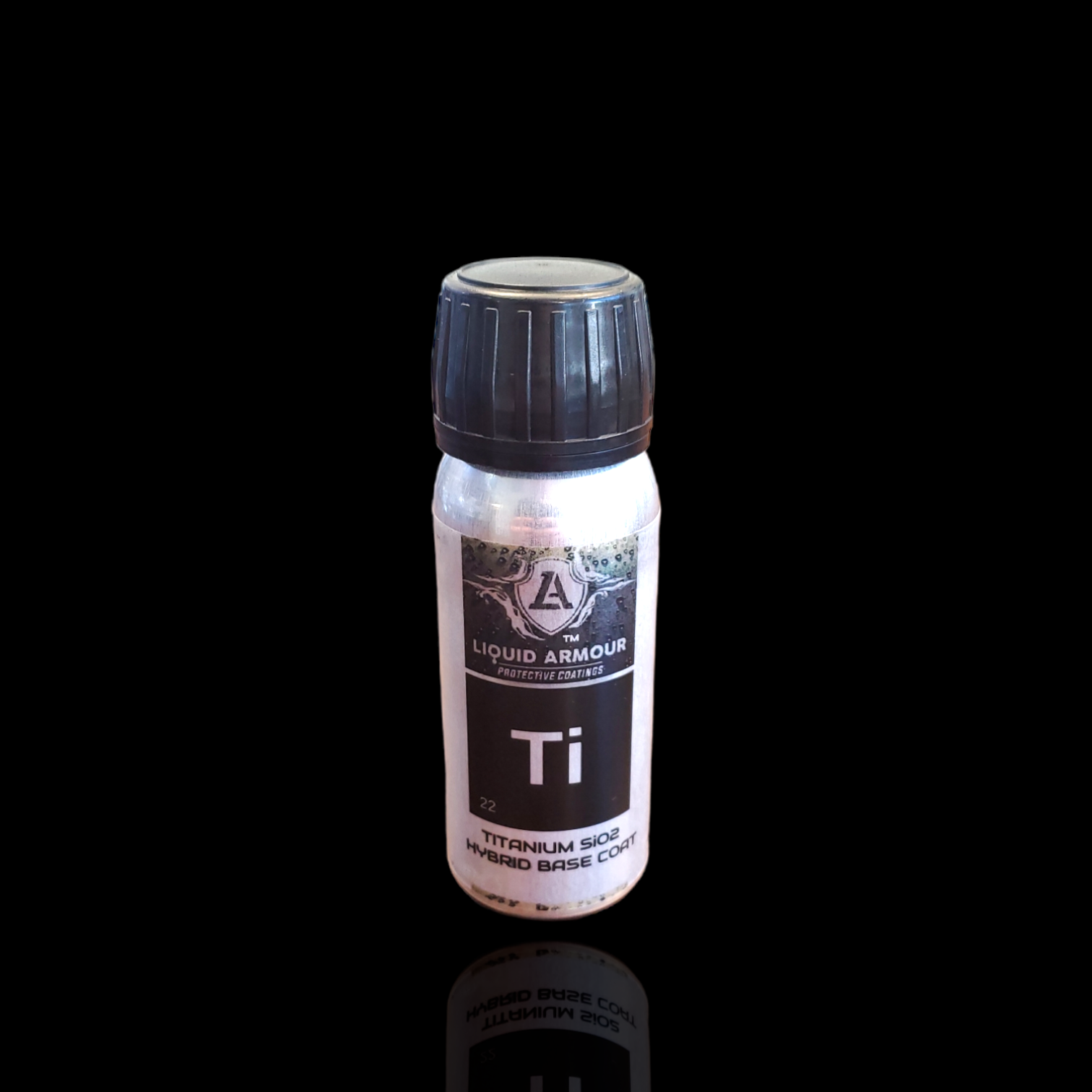
The Liquid Armour LA Ti Titanium SiO2 Coating 60ML is built for heavy-duty use. You can view the LA Ti Titanium SiO2 Coating 60ML to compare it against your component's needs.
Corrosion Protection for Heavy Equipment in Harsh Operating Conditions
Harsh conditions do not attack a machine evenly. Corrosion concentrates at geometric discontinuities, welds, bolt heads, panel edges, lap joints, and the inside of box sections, because those are where water lingers, where the coating film is thinnest, and where galvanic cells form between dissimilar metals. Understanding that pattern is what separates a coating that lasts from one that fails in a season.
How corrosion actually starts on heavy equipment
Steel corrodes when moisture and oxygen reach bare metal and complete an electrochemical circuit. Chlorides, from salt air, road deicer, or coastal humidity, accelerate the reaction by breaking down passive oxide layers and increasing conductivity.
A nano coating interrupts this by forming a continuous, hydrophobic barrier that keeps the electrolyte away from the substrate. The barrier only works where the film is intact and continuous, which is why edge coverage and film thickness matter more than the headline hardness number on the data sheet.
Where to inspect first
A practical inspection route on heavy equipment prioritizes the locations where corrosion begins:
- Weld toes and heat-affected zones, residual stress and rough profile leave thin spots.
- Bolt heads and fastener interfaces, crevices trap water and shield it from drainage.
- Panel edges and cut steel, no coating on the cut face means exposed metal wicks moisture under the film.
Building a corrosion protection system
Corrosion protection works as a layered system, not a single product. A common pattern among fleets that get long service life is:
- Coat bare or freshly prepared metal first with the nano coating so the barrier sits directly on the substrate.
- Confirm edge and weld coverage, these are the first failure points, so inspect them before the coating cures.
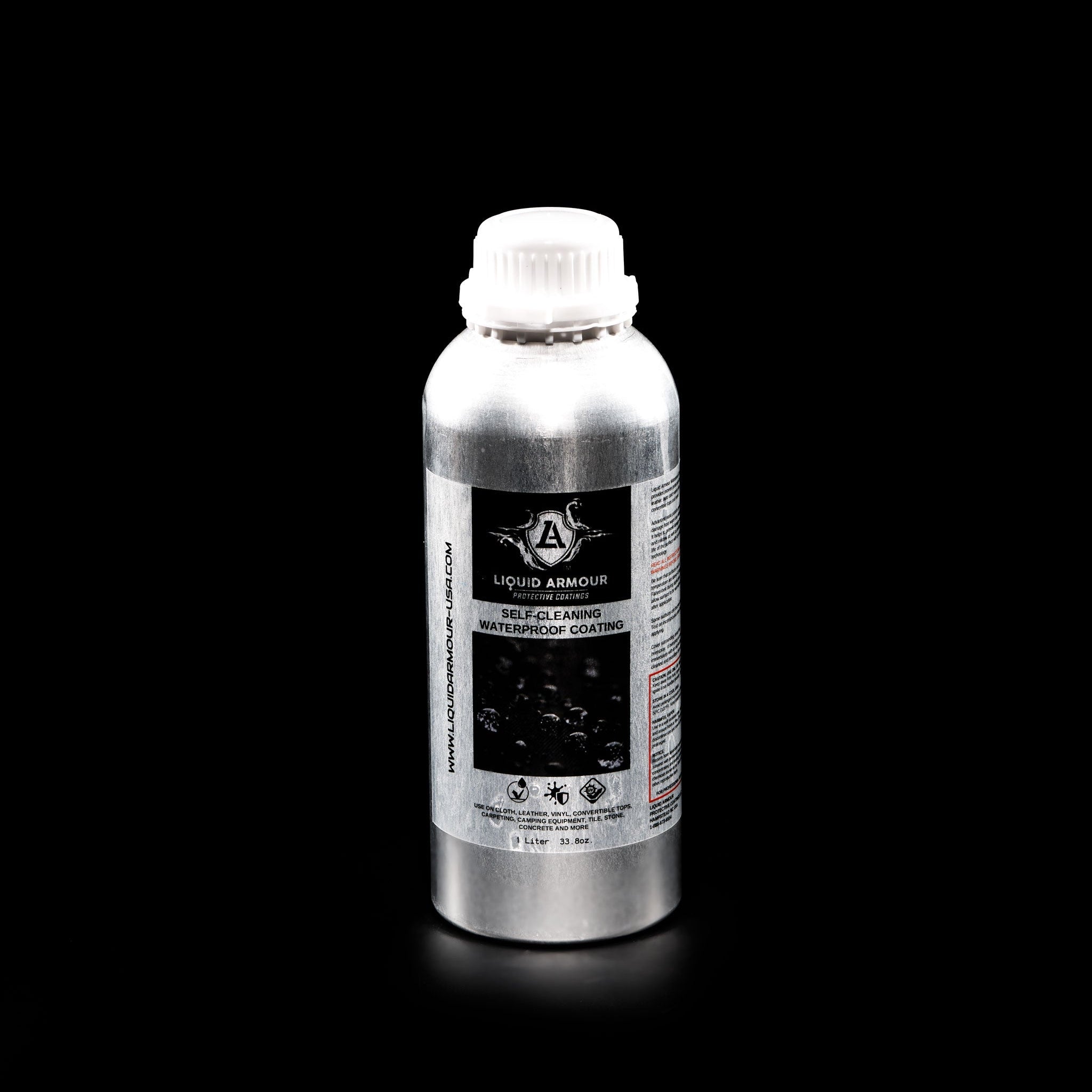
- Add a hydrophobic top treatment on exposed surfaces that see frequent wetting, such as the Nano Coat Waterproof Spray 1L, which is listed as a hydrophobic, multi-surface treatment with extreme waterproofing and UV protection. Explore the Nano Coat Waterproof Spray 1L if surface-level moisture shedding is the priority.
- Recoat high-wear and high-exposure zones on a schedule rather than waiting for rust to appear.
Measurable recoat and inspection criteria
Instead of recoating on a fixed calendar, base the decision on observed condition. A workable inspection standard is to check coated surfaces at each scheduled service interval and recoat when any of the following appears:
- Visible rust bloom at an edge, weld, or fastener.
- Water no longer beading on the surface, a sign the hydrophobic layer has degraded.
- Chalking, dulling, or a color shift that indicates UV breakdown.
Watch out: recoating over active rust without removing it first traps corrosion under the new film and accelerates pitting, so treat any rust bloom as a preparation job, not a touch-up.
Salt air, road deicer, mud, and constant washdown will always be present on equipment working near coastlines or in winter road maintenance. The coating does not eliminate that exposure, it buys time between inspections, and the inspection schedule is what determines whether that time is used well.
Surface Preparation and Quality Control Before Coating
Preparation decides most outcomes, and the difference between a coating that lasts years and one that fails in weeks is usually measurable before the first coat goes on. This section gives you the checks to run at each stage so you are not relying on a visual guess.
Step 1: Assess the substrate before you touch it
Identify what you are coating, bare carbon steel, galvanized steel, aluminum, stainless, or a previously coated surface, because adhesion chemistry differs across them. Note the condition: intact paint, chalked paint, loose rust, mill scale, or oil and grease. Mill scale and chalked paint are both weak layers that will fail under a new coating, so they have to come off rather than be coated over.
Step 2: Clean to a measurable standard
Degrease first with a cleaner suited to the metal, then rinse and dry. The practical test for cleanliness is the water-break test: spray clean water on the surface and watch whether it sheets evenly or beads. Beading indicates residual oil or contamination; sheeting indicates a clean surface. Repeat degreasing until the water sheets.
Step 3: Create a profile, not just a clean surface
Remove loose rust, scale, and old coating by sanding or blasting. The goal is a surface profile, a controlled roughness that gives the coating something to grip. A common shop standard is a profile in the range specified on the product data sheet; if the sheet does not state one, a uniform, dull, matte finish with no shiny low spots is the working target.
Step 4: Control dust and moisture before application
Wipe the surface with a clean, lint-free cloth to remove dust, then confirm the surface is dry. Moisture is the most common cause of early failure, so check for dampness in seams and crevices, not just on the flat faces. Apply only within the temperature and humidity range the manufacturer specifies.
Quality control checks that actually predict performance
Run these checks in sequence and record the results so the job is repeatable:
- Cleanliness: water-break test passes (water sheets, does not bead).
- Profile: uniform matte surface with no shiny low spots or mill scale remaining.
- Dryness: no visible moisture in seams, crevices, or lap joints.
Watch out: applying coating over a damp or dirty surface is the most common cause of early failure, and it is also the easiest to prevent, the water-break test and a dryness check take minutes and catch most of the risk before it is locked under the film.
Documenting these checks per machine also gives you a baseline for the next recoat cycle, so future inspections compare against a known starting condition rather than a memory.
Protective Coating Application for Machinery: Step by Step
Applying a nano coating is a precise job. Work in a dry, well-lit space when you can, and follow the manufacturer's instructions for temperature and humidity.
- Prepare the surface. Clean, degrease, and dry the area as described above.
- Mask adjacent areas. Protect seals, electrical connectors, and glass you do not want coated.
- Apply a thin, even coat. Use a microfiber applicator and work in small sections.
- Allow proper flash time. Let the coat set as the product directs before wiping off any residue.
- Apply additional coats if specified. Multiple coats can increase thickness and durability.
- Cure fully. Keep the machine out of heavy use until the coating reaches full cure.
For the coating itself, the LA Ti Titanium SiO2 Coating 60ML Kit includes a 4oz. Hydrophobia Spray Sealant to aid curing, two premium 400 gsm microfiber towels, and two block applicators.
The steps below summarise the application process, with the stated timing or condition for each.
| Step | What to do | Time or condition |
|---|---|---|
| 1. Prepare the surface | Clean, degrease, and dry the area | Before any coating |
| 2. Mask adjacent areas | Protect seals, connectors, and glass | Before application |
| 3. Apply a thin, even coat | Use a microfiber applicator, small sections | Thin and even |
| 4. Allow flash time | Let the coat set before wiping residue | As the product directs |
| 5. Apply extra coats | Add coats if the product specifies | If specified |
| 6. Cure fully | Keep machine out of heavy use | Until full cure |
Compatibility, Limitations and Failure Modes to Watch For
No coating is a cure-all. Know where it can fail:
- Incompatible substrates. Some coatings bond poorly to certain plastics or previously coated surfaces.
- Thin coverage. Missed spots and thin areas create weak points for corrosion.
- Moisture during curing. Water trapped under the film can cause clouding or poor adhesion.
Check each product's data sheet for stated limitations, and test on a hidden area when you are unsure.
Industrial Coating Maintenance and Lifecycle Cost: Deciding on Your Next Step
Coatings are an investment, and their value shows up over the machine's life.
Maintenance keeps that value. Wash the equipment regularly, inspect coated surfaces, and recoat worn areas before bare metal shows.
Your next step depends on your equipment. List your machines, note the conditions each one faces, and pick the coating that matches the most demanding component.
Protect your equipment before corrosion and wear do the damage.
Frequently Asked Questions
How do nano coatings protect heavy-duty machinery?
Nano coatings form a thin, dense protective layer on metal and composite surfaces that resists moisture, abrasion and chemical exposure. The layer slows corrosion at the surface and reduces wear from debris and repeated contact. Because the film is thin, it preserves the component's tolerances while adding a durable barrier. Protection depends on proper surface preparation, correct coating thickness and cure conditions, so follow the manufacturer's application specifications for each component.
How long does a protective nano coating last on industrial equipment?
Service life depends on the coating formulation, the number of coats applied, the substrate and the operating environment. Equipment working in heavy abrasion, saltwater or aggressive chemical exposure will typically see shorter intervals than equipment in controlled environments. Review the product's stated lifespan and inspect coated surfaces on a regular schedule.
Are nano coatings suitable for machinery exposed to chemicals or abrasion?
Many nano and ceramic coatings are formulated for chemical resistance and scratch or abrasion resistance, but suitability varies by product. Check the coating's chemical compatibility data against the specific fluids and cleaners your equipment encounters. For high-abrasion components, a harder topcoat or a thicker multi-coat build may be appropriate. Test a small area under real operating conditions before committing an entire fleet.
How do you maintain machinery treated with a nano coating?
Clean coated surfaces with pH-neutral cleaners and soft materials to avoid dulling the finish. Inspect for chips, scratches and areas of wear during scheduled maintenance, and address damage promptly to prevent corrosion from reaching the substrate. Follow the manufacturer's guidance on topcoats or sealants that help maintain the coating's performance over time.