
Ceramic Coating Cost Per Vehicle Application: 2026 Guide
Table of Contents
- What Drives Ceramic Coating Cost Per Vehicle Application
- Paint Correction Cost Before Ceramic Coating
- Professional vs DIY Ceramic Coating: True Cost Comparison
- Ceramic Coating Durability and Lifespan by Protection Tier
- Warranty Implications and Fine Print to Know
- Ceramic Coating Cost Breakdown: Getting an Accurate Quote
- Frequently Asked Questions
Last Updated: September 1, 2026
What Drives Ceramic Coating Cost Per Vehicle Application
Ceramic coating cost per vehicle application varies based on several compounding variables. At Liquid Armour USA, the single most common frustration we hear is sticker shock from invoices that differ from initial estimates because most quotes omit prep work, correction, and product tier until the job is underway.
According to the International Detailing Association's professional standards documentation, proper surface preparation is the single most critical factor in coating adhesion and longevity. That preparation has a cost, as does the coating grade, number of layers, and location.
Vehicle Size and Classification
Vehicle size is the most straightforward pricing variable. A subcompact hatchback has significantly less paintable surface area than a full-size pickup truck or three-row SUV. Professional installers typically segment vehicles into four or five tiers: compact cars, mid-size sedans and coupes, full-size sedans and crossovers, trucks and large SUVs, and exotics or custom builds. Each step up adds time, product volume, and labor.
Vehicle classification tiers (typical segmentation):
Tier |
Vehicle Type |
Relative Complexity |
|---|---|---|
1 |
Compact and subcompact cars |
Lowest |
2 |
Mid-size sedans, coupes |
Moderate |
3 |
Full-size sedans, crossovers, SUVs |
Higher |
4 |
Trucks, large SUVs, vans |
High |
5 |
Exotics, customs, RVs |
Highest |
Number of Coating Layers and Product Grade
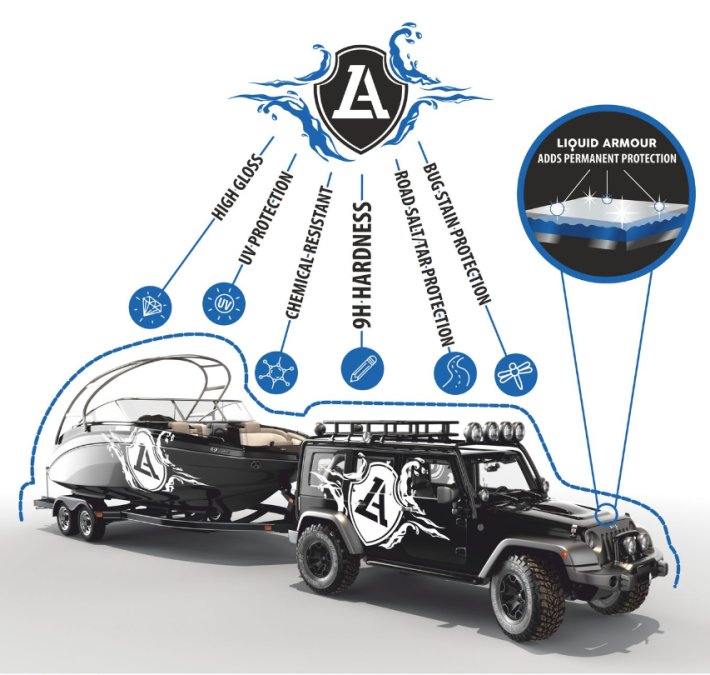
A single-layer entry-level coating and a multi-layer professional-grade nano-ceramic system are fundamentally different products with different price points. Entry-level coatings use lower silica concentrations and carry shorter durability windows. Professional-grade coatings like those in the Liquid Armour USA lineup use advanced nano-ceramic technology rated at 9H+ hardness (peer-reviewed research). Multi-layer systems involve a base coat, top coat, and sometimes a sacrificial cap layer, each requiring full flash and cure time between applications.
The product grade determines the warranty period the installer can confidently offer, which matters significantly for buyer confidence.
Regional Labor Rate Variations
Labor costs vary by region based on commercial rent, local wage rates, and market demand. A coating job quoted in one region may cost noticeably more for identical service in another. When comparing quotes, ask for an itemized breakdown that separates labor from product costs to ensure you are comparing equivalent services.
Paint Correction Cost Before Ceramic Coating
Paint correction cost before ceramic coating is one of the most consistently underestimated line items in total job price. Ceramic coating is a bonding product, not a filler. It locks onto the surface it contacts, making every underlying imperfection permanent and more visible under the glass-like finish.
Why Surface Preparation Cannot Be Skipped
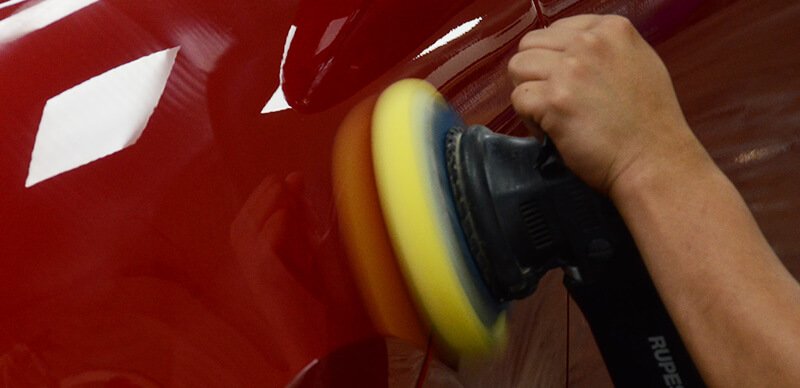
Surface preparation involves sequential steps: paint decontamination removes embedded ferrous particles and bonded contaminants using clay bar or chemical decontamination spray. A paint thickness gauge reading establishes a baseline before machine polishing begins. Buffing and polishing follow, with one-step polishing addressing light swirl marks and minor oxidation, while two-step correction uses a cutting compound for deeper scratches followed by finishing polish. Each stage adds labor hours.
Hidden Costs When Paint Correction Is Skipped
Skipping correction does not save money, it defers a larger cost. A vehicle coated over defective paint requires coating removal and paint correction before recoating, which costs significantly more than proper prep would have initially. There is also a customer satisfaction cost that damages reputation.
Professional vs DIY Ceramic Coating: True Cost Comparison
The appeal of DIY ceramic coating kits is understandable, but the reality is more complicated than marketing suggests.
What a Professional Installation Includes
Professional installation includes the full system: decontamination, paint correction, controlled application environment, proper curing time management, and quality checks under high-intensity lighting. Professional installers work in temperature-controlled environments because ceramic coating application is sensitive to ambient temperature and humidity. Bonding quality degrades when applied outside the product's specified window. Professional-grade coatings also require application techniques developed over many applications, leveling the product correctly, avoiding high spots, and managing flash time are skills that take practice.
Hidden Costs of DIY Failures
A high spot or uneven coating that cures improperly requires machine polishing to remove. If the DIYer attempts to fix it themselves without proper equipment, they risk burning through the clear coat. The product cost of a failed kit is lost entirely. Add the cost of professional correction afterward, and the total often exceeds what a professional installation would have cost from the start.
Professional vs. DIY ceramic coating comparison:
Factor |
Professional Installation |
DIY Kit |
|---|---|---|
Product grade |
Professional-grade, high silica |
Consumer-grade, lower concentration |
Surface prep included |
Yes, full correction |
Typically not included |
Application environment |
Controlled temperature and humidity |
Variable, uncontrolled |
Failure risk |
Low |
Moderate to high |
Warranty available |
Often included |
Rarely offered |
Long-term value |
Higher |
Lower if errors occur |
Ceramic Coating Durability and Lifespan by Protection Tier
Ceramic coating durability and lifespan vary significantly across product tiers. A coating that costs more upfront but lasts several years longer may represent a lower annualized cost than a cheaper product applied more frequently.
Entry-Level vs Multi-Year Coatings
Entry-level ceramic coatings typically offer protection windows of one to two years. Multi-year professional coatings applied correctly can maintain protective properties for several years. The nano-ceramic technology in professional-grade systems creates a harder, more durable glass-like shield with 9H+ hardness. A multi-layer system with a dedicated cap coat distributes wear more effectively and can be maintained with annual inspection and top-up treatments without full removal and reapplication.
Maintenance Requirements That Protect Your Investment
Ceramic coating durability is not passive. Maintenance wash protocols matter, harsh detergents, automatic car washes with abrasive brushes, and high-alkaline products degrade the hydrophobic layer. A pH-neutral maintenance wash is standard. Annual inspections allow assessment of coating integrity and application of a maintenance layer if needed, extending the effective life of the original application.
Maintenance checklist for coated vehicles:
- Use only pH-neutral shampoos for regular washing
- Avoid automatic car washes with abrasive brush systems
- Address bird droppings, tree sap, and industrial fallout promptly
- Schedule an annual coating inspection with the installing shop
- Apply a maintenance spray or booster layer as recommended by the installer
- Avoid waxes or sealants that contain silicone fillers
Warranty Implications and Fine Print to Know
Warranty coverage is one of the most misunderstood aspects of ceramic coating cost. Most professional ceramic coating warranties are conditional, requiring annual inspections by an authorized installer, maintenance according to specified wash protocols, and registration within a set window after application. Failure to meet any condition can void the warranty entirely.
The distinction between product warranty and installer warranty matters. A product warranty covers defects in formulation; an installer warranty covers application quality. For detailing shops, offering a warranty requires either a formal relationship with the coating manufacturer's installer program or a clear in-house warranty policy with defined terms. According to the Automotive Service Association's guidance on written service warranties, customers have the right to receive warranty terms in writing before work begins.
Standard auto insurance policies do not cover ceramic coating as a standalone item. Vehicle owners who have invested in multi-layer professional coating should verify their policy terms.
Ceramic Coating Cost Breakdown: Getting an Accurate Quote
A complete quote should itemize the following:
- Vehicle classification and surface area: Which pricing tier does your vehicle fall into?
- Paint decontamination: Is clay bar treatment and chemical decontamination included?
- Paint correction stage: What level of correction is recommended, and what is the cost per stage?
- Coating product and tier: What specific product is being applied, and what is its rated durability?
- Number of layers: Is this a single-layer application or multi-layer system?
- Curing time and bay time: How long will the vehicle be in the shop, and what are post-application restrictions?
- Warranty terms: What is covered, for how long, and what are the maintenance requirements?
Any quote that bundles all of these into a single line item should prompt follow-up questions. The difference between thorough prep and rushed work is not visible at pickup but becomes visible six months later when coating starts failing prematurely.
For shops building a ceramic coating service offering, product cost per application is a key input into your pricing model. Liquid Armour USA's professional-grade nano-ceramic coatings are designed for shop-volume use with consistent performance. Contact us directly for current product pricing and volume options, as rates vary based on quantity and distribution arrangements.
Protecting a vehicle's finish is a long-term investment. The total cost of ceramic coating per vehicle application is only meaningful when evaluated against the years of protection it delivers. The most common mistake is comparing quotes without understanding what is and is not included. Surface preparation, product grade, and warranty terms are where the real differences live. Liquid Armour USA offers professional-grade nano-ceramic coatings with 9H+ hardness, hydrophobic self-cleaning properties, and SGS-tested performance for detailers and shop owners who need consistent, reliable results. Find an installer in our network or contact us to discuss product options for your shop.
Frequently Asked Questions
How much does it cost to ceramic coat a car?
Ceramic coating cost per vehicle application varies widely based on vehicle size, paint condition, product grade, and labor rates in your area. A compact car requiring minimal paint correction will cost less than a full-size SUV needing multi-stage polishing before coating. Entry-level single-layer services sit at the lower end of the market, while multi-layer professional-grade coatings with longer warranty coverage command a premium. Contact a certified installer for an accurate quote based on your specific vehicle.
Is a professional ceramic coating worth the cost compared to DIY kits?
Professional ceramic coating delivers consistent bonding, proper surface preparation, and warranty coverage that consumer DIY kits rarely match. Professional installers perform paint decontamination, paint correction for swirl marks, and apply coating in a controlled environment free of dust and humidity. DIY failures often require full removal and reapplication, which can cost more than the original professional service. For shop owners offering ceramic coating as a premium service, professional-grade nano-ceramic products also support higher markup potential.
How long does a professional ceramic coating last?
Ceramic coating durability and lifespan depend on the product tier, surface preparation quality, and how well maintenance washes are performed afterward. Entry-level coatings are typically rated for one to two years. Mid-tier and professional-grade silica-based nano-coatings can last three to five years or longer when maintained correctly. Some professional-grade coatings with annual inspections carry warranties of five years or more. UV protection, chemical resistance, and hydrophobic properties degrade faster without proper maintenance.
What is the difference between a 1-year and a 5-year ceramic coating?
A one-year coating typically uses fewer layers and a lower-concentration silica-based formula, offering basic gloss enhancement and hydrophobic protection. A five-year coating involves more extensive surface preparation, multiple layers for greater paint thickness protection, and a professional-grade formula with higher 9H hardness ratings. The longer-duration product also generally comes with warranty coverage that requires annual inspections to remain valid. The upfront ceramic coating cost is higher for five-year tiers, but the cost per year of protection is often lower.
Does vehicle size affect ceramic coating pricing?
Yes, vehicle classification is one of the primary pricing factors. A compact sedan requires less product and fewer labor hours than a full-size truck, SUV, or van. Larger surfaces mean more paint decontamination, more buffing and polishing during paint correction, and more coating product to achieve full coverage. Shops typically price ceramic coating services across at least three vehicle size tiers: compact, mid-size, and large or oversized vehicles.
What is the downside of ceramic coating?
Ceramic coating does not make a vehicle scratch-proof or eliminate the need for maintenance. Deep scratches and rock chips still penetrate the clear coat. The coating requires a full curing time, often 24 to 48 hours, during which the vehicle cannot get wet. Any swirl marks or oxidation present before application will be locked in and magnified, not hidden. Improper application during the DIY process can cause high spots, streaking, and bonding failures that require professional correction to remove.
What factors cause ceramic coating prices to vary?
The main factors are vehicle size, current paint condition, the number of coating layers applied, product grade, and regional labor rates. Paint correction cost before ceramic coating is often the largest variable: a vehicle with heavy swirl marks, bird dropping etching, or acid rain damage requires multi-stage polishing that adds significant labor hours. Geographic location also matters, as shop labor rates differ considerably across metro and rural markets. Warranty coverage and the installer's certification level also influence total price.