
How Do Ceramic Coatings Bond to Paint?
Last Updated: November 19, 2026
Quick Summary
Ceramic coatings bond to paint by chemically attaching to the clear coat, not soaking into the paint. Moisture triggers silane chemistry that forms siloxane bonds with surface hydroxyls, building a cross-linked film that also anchors mechanically into the clear coat's microscopic texture.
- The coating forms a thin film on top of the clear coat and does not penetrate deeply into the paint.
- Silanols condense with surface hydroxyls, releasing water and forming siloxane (Si-O-Si) bonds.
- Oils, polish residue and wax block wetting, so a final panel wipe is essential before application.
- Oxidized or contaminated clear coat gives the coating a weak surface to bond to.
- Full cure typically takes 5-7 days, and the surface should stay dry for at least 24 hours.
Table of Contents
- What a Ceramic Coating Is and What It Is Made Of
- How Ceramic Coatings Bond to Paint: The Chemistry Explained
- Surface Preparation Required Before Application
- How to Apply Ceramic Coating Step by Step
- Curing Time and Conditions That Affect Bond Strength
- Ceramic Coating Products and Before-and-After Results
- Disadvantages of Ceramic Coating and What Causes Bond Failure
- Booking Your Coating Application or Finding a Certified Installer
- Frequently Asked Questions
What a Ceramic Coating Is and What It Is Made Of
Ceramic coating is a liquid polymer that cures into a hard, thin protective layer on top of paint, and the ceramic coatings bond to the clear coat as it sets. The most common versions are built around silicon dioxide, or SiO₂, the same compound found in glass.
Ceramic coating is a liquid protective layer that hardens into a glass-like film when it cures on a surface.
Liquid Armour 9H is described as offering a high-gloss finish, a super hydrophobic effect, scratch, chemical and UV resistance, and 9H+ hardness.
How Ceramic Coatings Bond to Paint: The Chemistry Explained
Ceramic coatings do not soak into your paint. They form a thin film on top of the clear coat, and the ceramic coatings bond to it through a combination of chemical reaction and mechanical anchoring at a microscopic scale. Understanding that distinction is what separates a realistic expectation from a marketing claim.
Here is what is actually known about the interaction, step by step:
- Wetting and spreading. The liquid coating wets the clear coat and flows into a thin, even layer. Good wetting is why surface prep matters, oils and residue create a barrier the coating cannot wet through.
- Solvent flash-off. The carrier solvent evaporates, concentrating the reactive silica-based compounds at the surface.
- Hydrolysis and condensation. Most SiO₂-based coatings rely on silane chemistry. Moisture in the air and on the surface hydrolyzes reactive groups into silanol (Si-OH) groups. Those silanols then condense with hydroxyl (-OH) groups on the clear coat and with each other, releasing water and forming siloxane (Si-O-Si) bonds.
- Cross-linking and film formation. The condensation reactions build a cross-linked network that is both attached to the surface and internally coherent. That network is what gives the film its hardness and its resistance to washing.
- Final cure. Over the curing window, the network continues to tighten and the film reaches its final hardness and adhesion.
A precise way to describe this: the coating bonds to the clear coat through a combination of chemical bonding (silanol condensation with surface hydroxyls) and mechanical anchoring into the microscopic texture of the clear coat. It does not penetrate deeply into the paint film, and any claim that it does should be treated with skepticism. The clear coat is the substrate; the coating is a surface film on top of it.
Why Chemical Bonding Differs from Wax or Sealant
Wax and most sealants rely on physical adhesion, they sit in a thin film and wear away with washing, sun and rain. Ceramic coatings form a cross-linked network that is chemically attached to the surface, so they last far longer under the same conditions.
The Role of the Clear Coat
The clear coat is the transparent top layer of most modern car paint. It is the layer that the ceramic coating actually bonds to. That is why the condition of the clear coat matters so much.
If the clear coat is oxidized, contaminated or heavily swirled, the coating bonds to a damaged surface. Always check the clear coat before you apply anything.
Variables That Affect Bond Strength
Bond strength is not a fixed property of the product, it is the result of how the coating is applied and the conditions it cures in. The main variables are:
- Surface cleanliness. Oils, polish residue, wax and fingerprints block wetting and prevent chemical bonding. A panel wipe is not optional.
- Clear coat condition. Oxidized or contaminated clear coat gives the coating a weak substrate to attach to.
- Humidity. Silane chemistry needs some moisture to hydrolyze and condense. Very low humidity can slow the reaction; very high humidity can accelerate it unevenly.
- Temperature. Heat speeds flash-off and cure; cold slows both. Applying in direct sun or high heat can cause the coating to flash too fast and leave high spots.
- Coating formulation. Different products use different silane systems and solvent carriers, which changes flash time and cure sensitivity.
- Application thickness. Too thick a layer can trap solvent and cure unevenly; too thin a layer may not form a continuous film.
Watch out: the most common cause of poor bonding is not the product, it is a surface that was not fully decontaminated or a panel that was not wiped free of polish oils before application.
The table below summarises the bonding sequence described above, step by step.
| Step | What happens | Result |
|---|---|---|
| Wetting and spreading | Liquid coating wets the clear coat and flows into a thin layer | Even film; oils block wetting |
| Solvent flash-off | Carrier solvent evaporates | Reactive compounds concentrate at the surface |
| Hydrolysis and condensation | Silanols form and condense with surface hydroxyls | Siloxane (Si-O-Si) bonds form |
| Cross-linking | Condensation builds a cross-linked network | Hardness and washing resistance |
| Final cure | Network tightens over the curing window | Final hardness and adhesion |
Surface Preparation Required Before Application
Preparation decides how well the coating bonds. Most failures trace back to a surface that was not properly cleaned or decontaminated before application.
A typical preparation sequence looks like this:
- Wash the vehicle with a pH-neutral car shampoo.
- Decontaminate the paint to remove iron fallout and embedded particles.
- Correct any swirls or defects that the coating would otherwise lock in.
- Wipe every panel with a panel prep product such as La Prep to remove oils and residue.
Removing surface oils matters because any residue can stop the coating from bonding evenly.
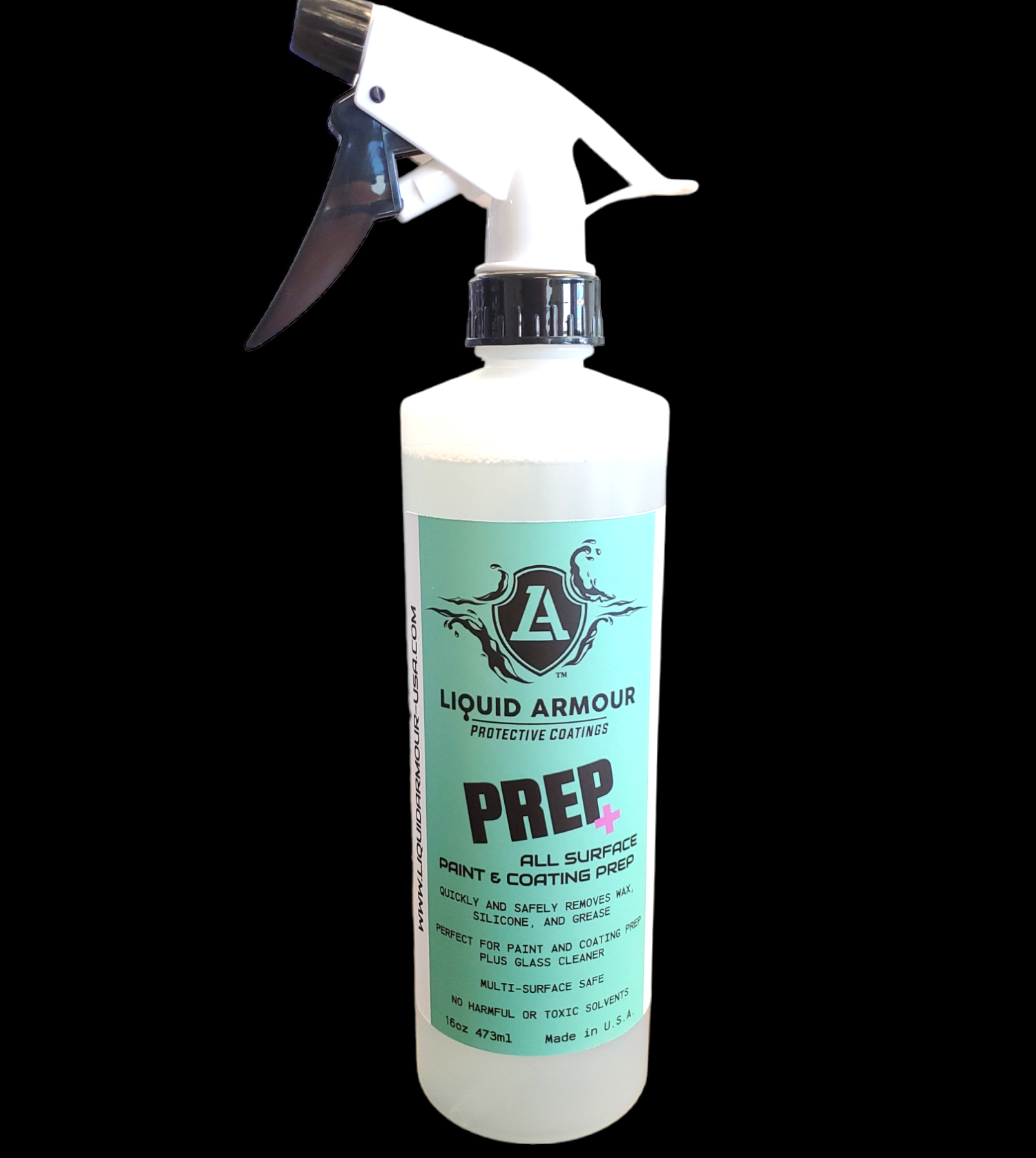
Watch out: skipping the final panel wipe is the most common reason coatings bond unevenly. Even a clean-looking panel can hold polish oils that block adhesion.
How to Apply Ceramic Coating Step by Step
Applying a ceramic coating is a controlled process. Work in a shaded, clean area with the panel cool to the touch.
- Prep the panel. Complete the wash, decontamination, correction and panel wipe described above.
- Apply a few drops. Place a small amount of coating on a foam applicator, not directly on the paint.
- Spread in small sections. Work one panel section at a time, using straight, overlapping passes.
- Level the film. Within the flash time, buff the area with a clean microfiber towel until the surface is even.
- Repeat if needed. Additional layers can increase thickness and hardness, according to the product description.
- Let it cure. Keep the vehicle dry and out of the weather for the full curing period.
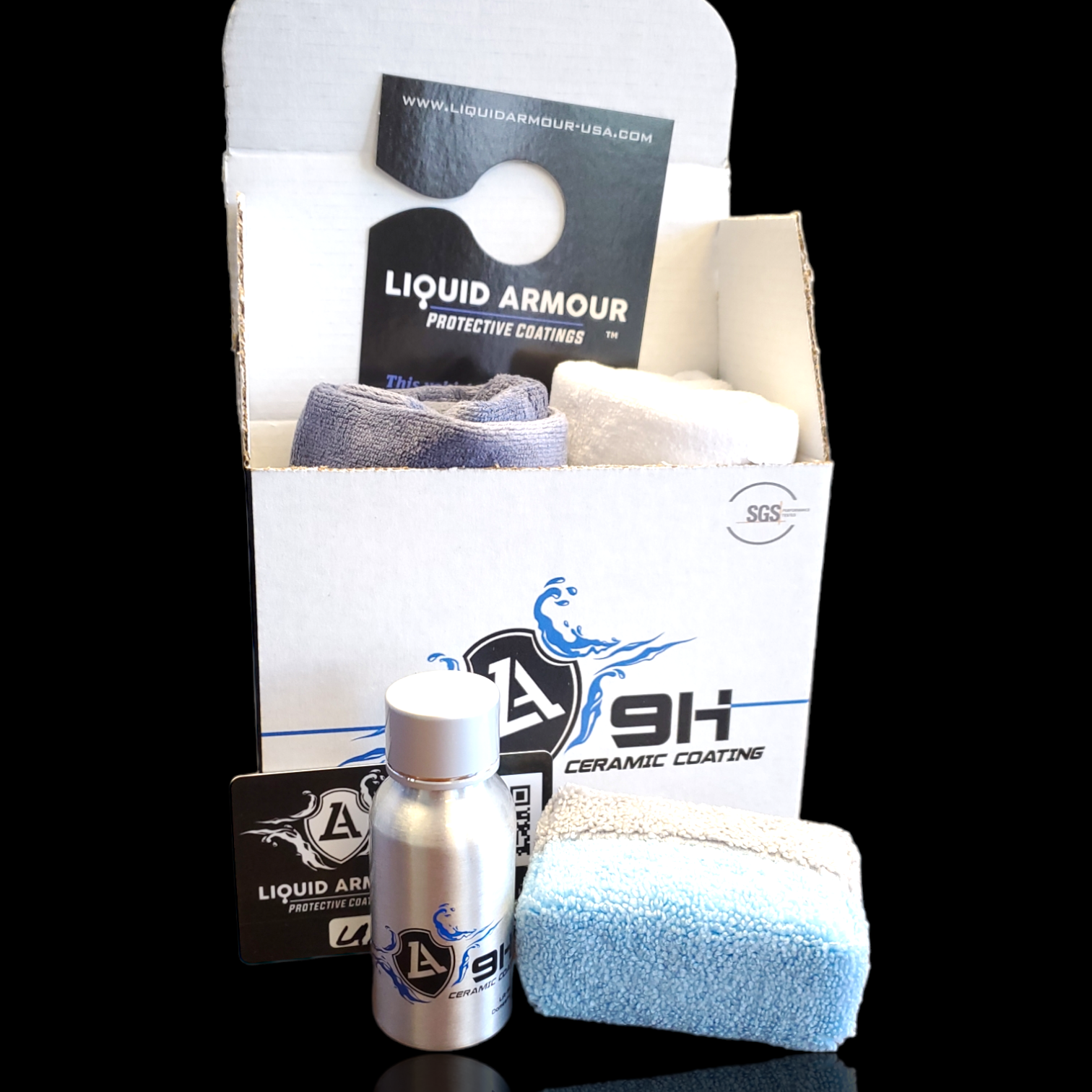
The LA9H Ceramic Nano Coating Pro Kit - 60ml is priced at $134.99. Certified Professional Installers can offer a 3-5 year warranty depending on surface application and number of coats applied.
Curing Time and Conditions That Affect Bond Strength
The coating does not reach full bond strength the moment it dries. Curing is a process with distinct stages, and each stage has its own exposure rules. Treating it as a single event is one of the most common reasons a coating underperforms.
A realistic timeline looks like this:
- Initial set (first 30-60 minutes). The solvent flashes off and the film begins to level and set. This is when you buff off high spots and level the film. Work in small sections and do not let the coating sit too long before leveling.
- Tack-free (roughly 1-4 hours). The surface is dry to the touch but the network is still forming. Keep the vehicle in a clean, shaded area and avoid touching the panels.
- Early cure (first 24 hours). The film is hardening but is still vulnerable. Most manufacturers advise keeping the surface dry for at least 24 hours. Avoid rain, washing and contact.
- Full cure (typically 5-7 days, sometimes longer). The cross-linked network reaches its final hardness and adhesion. Read how long nano ceramic coating lasts to see how this bond holds up over time. During this window, avoid washing, harsh chemicals and anything that could disrupt the film.
Temperature, humidity and airflow all affect how quickly the film hardens. Applying in direct sun or high heat can cause the coating to flash too fast and leave high spots. Cold or damp conditions can slow curing and leave the surface soft for longer. A common pattern is to apply in a shaded, clean area with the panel cool to the touch and stable ambient conditions.
Keep the coated surface dry for the recommended curing window. Avoid washing, rain and contact until the film has fully hardened. If the vehicle must be exposed to weather before full cure, note that early water exposure can leave water spots or interfere with bonding.
Watch out: applying in direct sun or on a hot panel can cause the ceramic coatings bond to form too quickly, leaving high spots that are difficult to level once the film has set.
Ceramic Coating Products and Before-and-After Results
Product choice affects both cost and results. Liquid Armour USA offers several options:
- LA9H Ceramic Nano Coating Pro Kit - 60ml: $134.99.
- LA9H Ceramic Nano Coating 60ml: $124.99.
- LA9H Ceramic Nano Coating Pro Kit 100ml: $189.99.
- LA9H Ceramic Nano Coating - 100ml: $179.99. SGS-tested option for automotive paint, glass, hard plastic, fiberglass, powder coat, metal, vinyl and aluminum surfaces.
Liquid Armour USA's installations have been featured in social media posts on vehicles including a Ferrari 599.
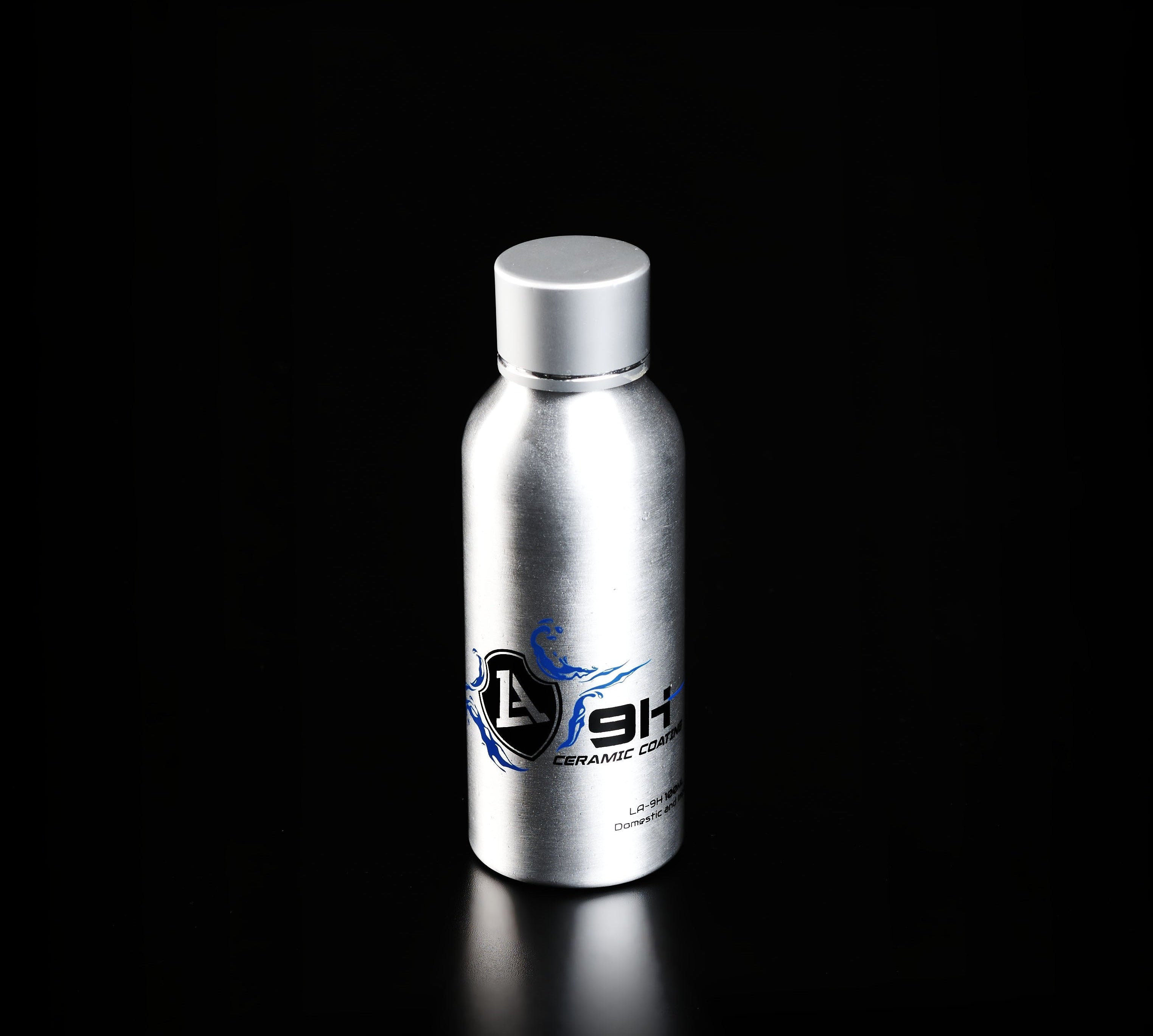
LA9H Ceramic Nano Coating product prices
Disadvantages of Ceramic Coating and What Causes Bond Failure
Ceramic coatings are not a cure-all. Knowing the limits helps you avoid disappointment.
Common disadvantages:
- Application takes time and careful preparation.
- Mistakes are hard to fix once the film has cured.
- A coating does not hide existing swirls or defects. It locks them in.
- Removal requires abrasion, which is a major commitment.
Common causes of bond failure:
- Oils, polishes or wax residue left on the surface.
- Applying in heat, direct sun or high humidity.
- Coating a contaminated or oxidized clear coat.
- Not allowing the full curing window before exposure to water or chemicals.
Many failures are preventable. Following the preparation and curing steps closely is the best defense.
Booking Your Coating Application or Finding a Certified Installer
If the process sounds demanding, a certified professional can handle it for you. Certified Professional Installers can offer a warranty of 3-5 years, depending on the surface application and number of coats applied.
Find an installer and ask about warranty options before you book.
Frequently Asked Questions
What's the downside of ceramic coating?
The main drawbacks are cost, a demanding application and difficulty removing it. Professional application for a vehicle can be expensive, and the coating only performs as well as the surface beneath it. Any contamination, oil or unprepared paint trapped under the coating reduces bond strength. Removing a ceramic coating requires abrasive polishing, so it is not reversible. Coatings also do not stop swirl marks or scratches from forming, and they need regular maintenance washing to keep their hydrophobic effect working as intended.
Can you apply ceramic coating to fresh paint?
Generally, no. Newly painted or recently repainted panels still release solvents and have not fully cured, so a ceramic coating applied too early may not bond properly and can trap solvents underneath. Most manufacturers recommend waiting until the paint has fully cured, which often takes several weeks depending on the paint system and conditions. Check the paint shop's guidance before applying a coating to a fresh respray.
What destroys or weakens a ceramic coating?
Harsh chemicals, abrasive washing, automatic car washes with brushes, and acidic wheel cleaners can degrade a ceramic coating over time. Contamination such as oil, wax or silicone left on the surface before application is a common cause of poor bonding. Physical abrasion from polishing or heavy scrubbing will remove the coating. Using pH-neutral soap and proper wash technique helps the coating last.
What surface preparation helps ceramic coating bond properly?
Preparation is the biggest factor in bond strength. Wash the vehicle thoroughly and decontaminate the paint to remove bonded particles. Correct any swirl marks or defects, since the coating will lock in whatever condition the paint is in. Remove oils and polish residue before application so the coating can bond to the clear coat.