
What Is the Best Titanium Coating for Residential Windows?
Last Updated: November 18, 2026
Quick Summary
The best titanium coating for residential windows is a titanium-infused SiO2 hybrid coating applied as a liquid directly to the glass, not a titanium-nitride ceramic film. It bonds titanium-doped silicon dioxide to the surface, creating a hydrophobic, UV-resistant layer measured in microns that stays optically clear.
- Titanium-nitride ceramic film is an adhesive sheet, while a titanium coating is a liquid-applied nano coating.
- Ask for total solar energy rejected, visible light transmission, and UV block rate in writing before buying.
- A clear coating will not provide nighttime privacy, because privacy follows the brighter side of the glass.
- Confirm glass compatibility before buying, since unapproved film on low-E or dual-pane glass can void the warranty.
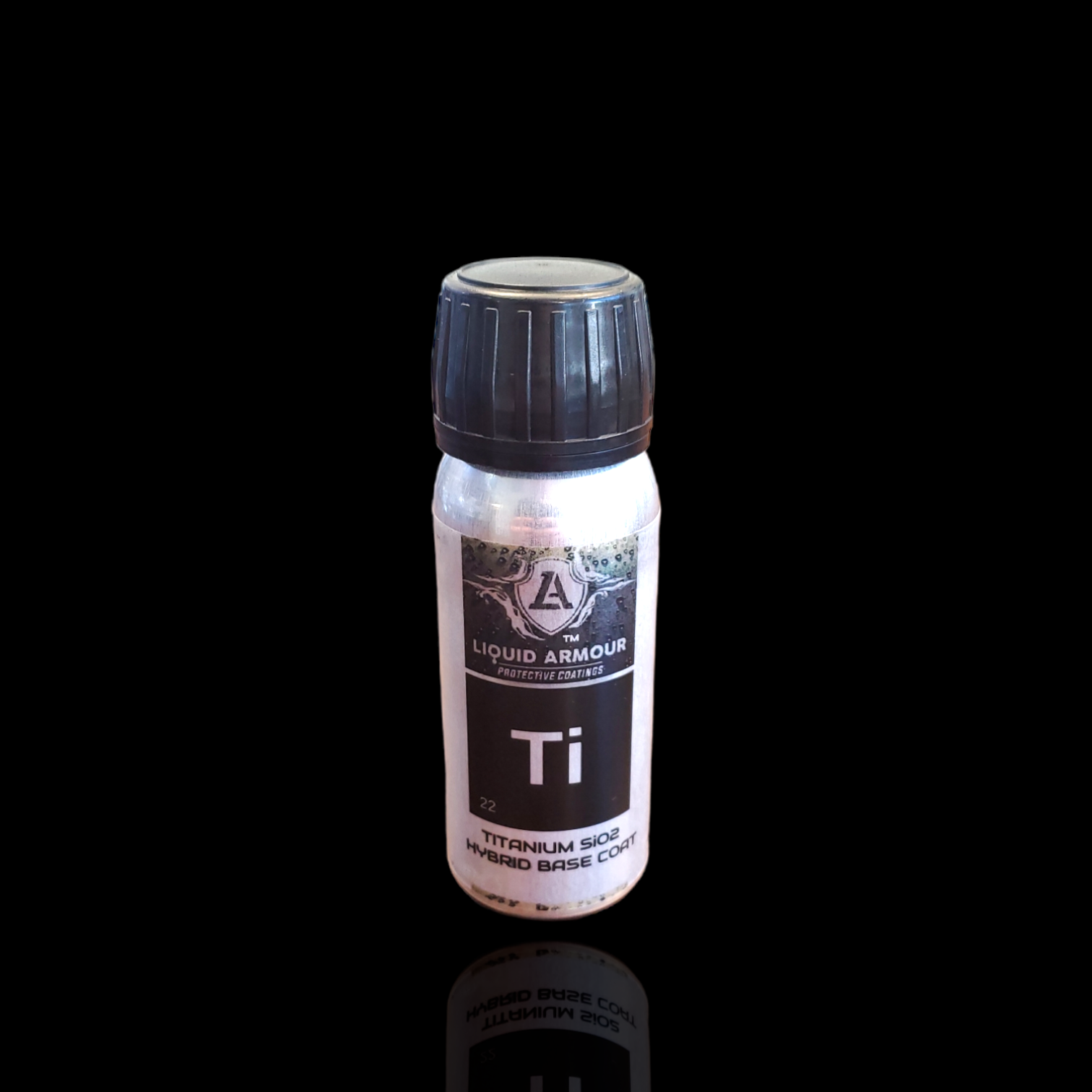
- The LA Ti Titanium SiO2 Coating 60ML is a titanium-infused hybrid with hardness exceeding 9H.
Table of Contents
- Titanium vs Ceramic Window Film: What the Labels Actually Mean
- How to Judge Heat Rejection, UV Protection, and Clarity
- The Best Home Window Tint for Heat Reduction
- The Best Home Window Tint for Nighttime Privacy
- The Best DIY Home Window Tint for Heat Reduction
- Glass Compatibility and Thermal Stress: Check Before You Buy
- The Best Residential Window Tint Brands and What to Compare
- Choose the Right Titanium Coating for Your Windows
- Frequently Asked Questions
Titanium vs Ceramic Window Film: What the Labels Actually Mean
The best titanium coating for residential windows is a titanium-infused SiO2 hybrid coating applied to the glass itself, not a titanium-nitride ceramic film. The two products share a name fragment and almost nothing else.
A titanium coating is a liquid-applied nano coating that bonds titanium-doped silicon dioxide to the glass surface, creating a hydrophobic, UV-resistant layer measured in microns. A titanium-nitride ceramic film is a separate adhesive sheet, usually polyester-based with a ceramic or nitride sputter layer, that a installer cuts and squeezes onto the pane.
Titanium Coating vs Titanium-Nitride Ceramic Film
Titanium-nitride films dominate the market because they are easy to ship and easy to install. They also add visible thickness, change the exterior look of the house, and can trap heat at the glass edge. A liquid titanium coating leaves the glass looking like glass.
- Application: film is cut, sprayed, and squeegeed; coating is wiped on and leveled
- Appearance: film alters reflectivity; coating is optically clear
- Removal: film peels and can leave adhesive; coating wears away
- Edge risk: film edges collect dirt and lift; coating has no edges
- Best for: film suits renters and quick fixes; coating suits owners who want a permanent change
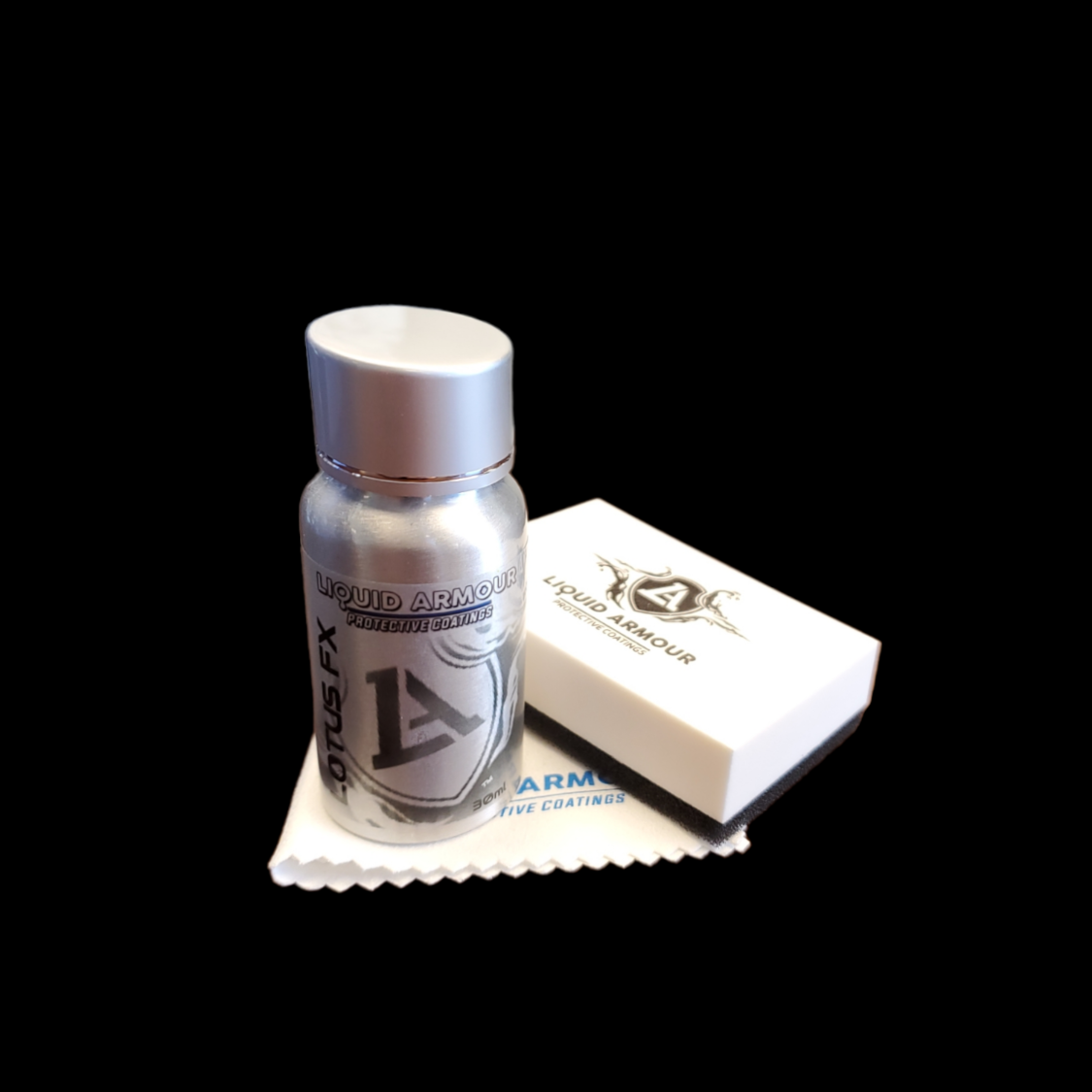
If you want a ceramic reference point for comparison, our LOTUS FX 9H ceramic glass coating is designed for hard surfaces, including glass, countertops, stainless steel, and tile.
How to Judge Heat Rejection, UV Protection, and Clarity
Judging a titanium coating comes down to three measurements: solar heat rejection, UV block rate, and visible light transmission. Ask for all three in writing before you buy, because marketing pages routinely quote one and hide the others.
Heat rejection is usually reported as total solar energy rejected, a combined figure for reflected, absorbed, and transmitted energy. UV protection should be stated as a percentage of UV blocked, and anything claiming full protection needs test documentation. Visible light transmission tells you how much daylight still passes through, and a lower number means a darker room.
Watch out: a coating advertised only as "99% UV" with no heat or clarity figure is a marketing sheet, not a spec sheet. Durability claims deserve the same scrutiny, and our guide on how long nano ceramic coating lasts explains what realistic service life looks like.
The Best Home Window Tint for Heat Reduction
For heat reduction on residential glass, the best home window tint is a titanium-SiO2 liquid coating applied directly to the pane, because it rejects solar energy without film edges, bubbles, or a dark tint. Heat control is where liquid coatings earn their place, but the honest answer is that the right choice depends on the glass, the room, and the climate. A universal "best" product does not exist, and any guide that names one without those qualifiers is selling rather than advising.
How Heat Rejection Actually Works on Residential Glass
Solar energy reaches a window as three components: visible light, ultraviolet radiation, and near-infrared radiation. A solar-control product manages heat by reflecting, absorbing, or transmitting each component. Total solar energy rejected (TSER) is the combined figure, and it is the only number that lets you compare products fairly. A product that reports only infrared rejection or only UV block is telling you part of the story.
The mechanism matters because it determines the tradeoff. A darker or more reflective film absorbs or reflects more total energy, which lowers TSER-side heat gain but also lowers visible light transmission (VLT) and can raise the glass temperature. A clear coating keeps VLT high without changing the exterior appearance. Neither is universally better; they solve different problems.
Match the Product to the Room and the Climate
Room orientation and climate often drive the decision more than brand:
The Metrics to Demand Before You Buy
Ask for these four figures in writing, measured under a stated standard, before you compare any two products:
- Total solar energy rejected (TSER): the combined heat figure. Higher is more heat control.
- Visible light transmission (VLT): how much daylight passes through. Lower means a darker room.
- UV rejection: stated as a percentage, with test documentation for anything near full block.
- Glare reduction: often derived from VLT, but ask how it was measured.
A product advertised only as "99% UV" with no TSER or VLT figure is a marketing sheet, not a spec sheet. Durability claims deserve the same scrutiny, and our guide on how long nano ceramic coating lasts explains what realistic service life looks like.
What most guides miss is that heat rejection and glare control pull in opposite directions. A darker film cuts glare harder but steals daylight. A clear coating keeps the room bright and takes the edge off the heat. The right answer is the one that matches your room, not the one with the biggest number on the box.
Watch out: a film installed on low-E or dual-pane glass without manufacturer approval can void the glass warranty or stress the seal. Check glass compatibility before you buy, not after.
The Best Home Window Tint for Nighttime Privacy
Nighttime privacy is a lighting problem, not a coating problem. The best home window tint for nighttime privacy is a reflective or darker film, because at night the bright interior makes any clear glass see-through from outside. A clear titanium coating will not give you privacy after dark, and no honest product will.
Here is the rule that decides it: privacy follows the brighter side. During the day, a coating or film can reduce the view in. At night, with lamps on inside, the glass turns into a window for anyone standing in the yard.
If nighttime privacy is the priority, choose a film with reflectivity or a top-down/bottom-up shade. If heat and UV are the priority, a clear coating wins. Trying to get both from one product usually means a compromise on daylight.
The Best DIY Home Window Tint for Heat Reduction
- Clean and degrease the pane fully
- Work in shade, never direct sun
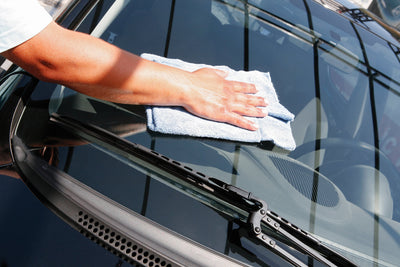
- Apply in thin, even passes
- Level before the coating flashes
- Let it cure undisturbed
Glass Compatibility and Thermal Stress: Check Before You Buy
Glass compatibility is a check many buyers skip. Thermal stress happens when one part of a pane heats faster than another, and any film or coating that changes how glass absorbs heat can raise that risk.
Before buying, confirm three things:
| Glass Type | Risk Level | What to Check |
|---|---|---|
| Single-pane, clear | Low | Any product is generally safe |
| Dual-pane, clear | Moderate | Manufacturer film approval |
| Dual-pane, low-E | High | Written approval before install |
| Tempered glass | Moderate | Edge condition and heat exposure |
Ask the glass manufacturer, not the film seller. A warranty voided by an unapproved film costs more than the film ever saved.
The Best Residential Window Tint Brands and What to Compare
The harder problem is that the market mixes two different products under similar titanium branding, so a brand comparison is only useful if you first confirm you are comparing like with like.
First, Separate Titanium Coatings from Titanium-Nitride Films
A titanium coating is a liquid-applied nano coating. A titanium-nitride ceramic film is an adhesive sheet. They are different formats and different installation methods. A brand that sells one is not directly comparable to a brand that sells the other on heat, clarity, or lifespan, because the underlying construction is different. When you build a shortlist, group products by format first, then compare within the group.
Compare Every Candidate on the Same Five Points
- Test documentation: third-party lab results, not in-house claims. Ask which laboratory, which standard, and under what measurement conditions.
- Spec sheet: TSER, UV block, and VLT stated together, with the test method named. A single headline number without the others is not a spec sheet.
- Glass limits: which glass types are approved, and which are excluded. Low-E and dual-pane glass are where approvals matter most.
- Warranty: length, what it covers, who honors it, and whether it is prorated. A warranty that excludes the failure mode you care about is not protection.
- Support: installation guidance and a real person to call when something goes wrong.
Read the Evidence, Not the Badge
Manufacturer claims and independent test results are not the same thing. A performance figure is only meaningful if you know the standard it was measured under and the glass it was measured on. Two products can both claim high heat rejection while one was tested on clear single-pane glass and the other on a low-E unit, which makes the numbers incomparable. Ask for the test report, not the marketing page, and check whether the reported figures match the glass type you actually have.
Our coatings carry SGS testing and have a professional installer network.
Choose the Right Titanium Coating for Your Windows
Choosing the right titanium coating for your windows means matching the product to the glass, the room, and how you plan to apply it. Start with the glass type, then the goal, then the format.
The LA Ti Titanium SiO2 Coating 60ML is a titanium-infused hybrid with a hardness exceeding 9H. If you want the full setup in one box, the LA Ti Titanium SiO2 Coating 60ML Kit includes a recommended 4oz. Hydrophobia Spray Sealant, two premium 400 gsm microfiber towels, and two block applicators. Certified Professional Installers can offer a 7 year warranty depending on surface application and number of coats applied.
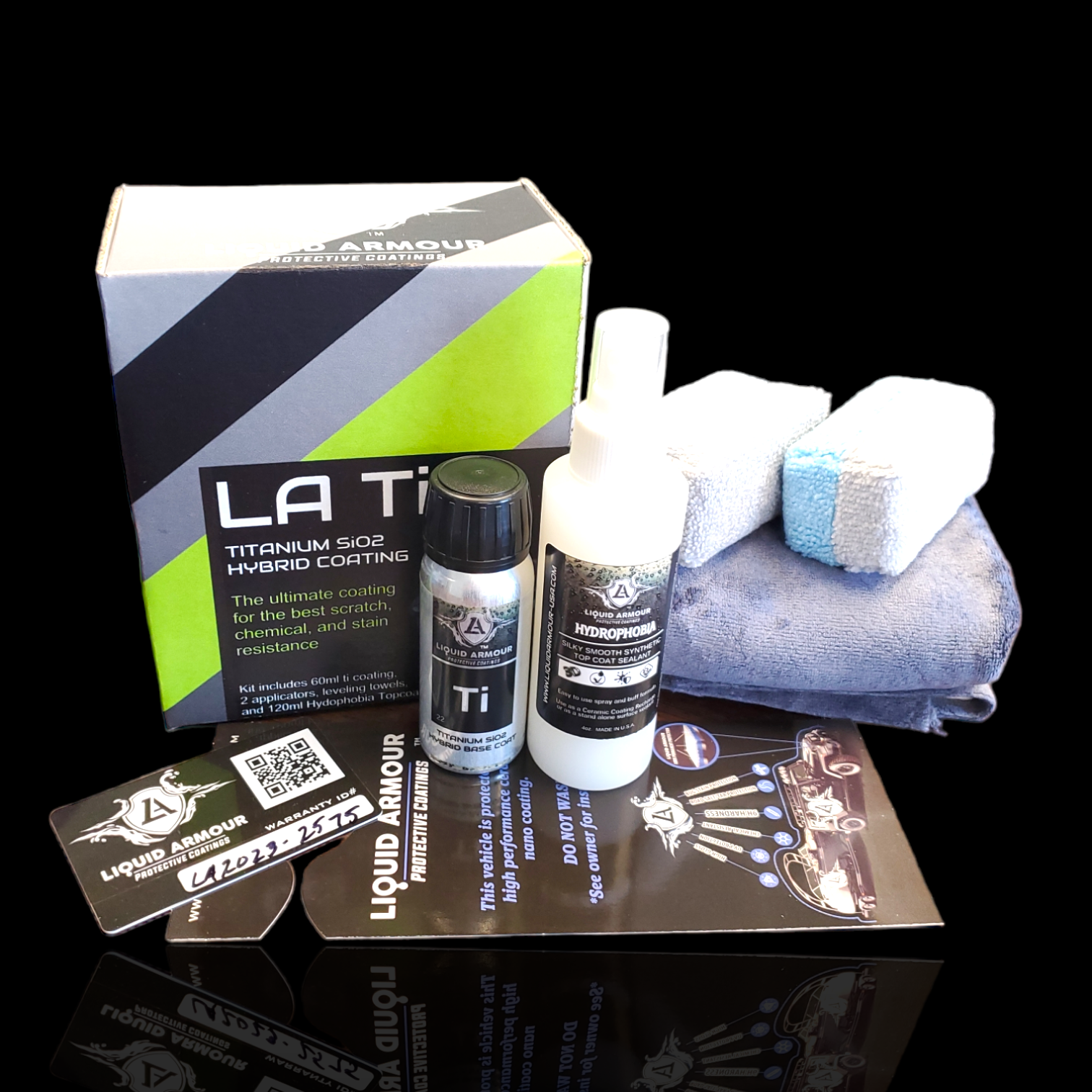
Most window coatings fail because the buyer matched a product to a search result instead of to their glass. We build titanium-SiO2 hybrid coatings with 9H+ hardness, a hydrophobic self-cleaning effect, and UV protection that holds up on residential glass. Get started with Liquid Armour USA and give your windows a coating that keeps its clarity, rejects heat, and outlasts the film you almost bought.
Frequently Asked Questions
Is titanium window film good for residential windows?
Yes, for most homes. Titanium-based films are built to cut solar heat gain and block UV rays while keeping a fairly neutral color, so they suit living rooms, bedrooms, and west-facing windows that take the afternoon sun. The main check is glass type: single-pane and dual-pane windows can handle most films, but low-E glass and some sealed units need a film rated for that glass to avoid thermal stress. Confirm the film's visible light transmission and warranty before ordering.
What is the difference between titanium and ceramic window film?
Titanium film uses a titanium-based layer, sometimes a titanium coating or titanium-nitride layer, to reflect solar energy. Ceramic film uses ceramic nanoparticles to absorb and reject heat with less reflectivity and no metal interference with phone or Wi-Fi signals. Ask for the solar energy rejection and visible light transmission numbers for each product rather than trusting the label.
Can you see through titanium window film at night?
You can see out, but privacy works the other way after dark. Titanium film is reflective, so during the day the outside reflection hides your interior. At night, when rooms are lit and the outdoors is dark, the effect reverses and people outside can see in more easily than you can see out. If nighttime privacy is the goal, pair film with curtains or blinds, or choose a darker, less reflective shade for bedroom and bathroom windows.
Is titanium window film safe for double-pane windows?
It can be, but the film must be approved for sealed dual-pane units. Heat absorbed by film raises the temperature of the glass, and on some insulated units that extra heat can crack the pane or damage the seal. Before buying, note whether your glass is dual-pane, low-E, or tempered, then check the film maker's compatibility list.