
7 Steps to Fix Ceramic Coating High Spots Fast
Last Updated: November 11, 2026
Quick Summary
Fresh ceramic coating high spots can usually be fixed by wiping them with a clean, dampened microfiber towel while the coating is still soft. Once the coating has fully cured, a small high spot is typically corrected by light hand or low-speed machine polishing, with repeated low-angle inspection under an inspection light. Confirm the cure stage first, since the right repair depends on how far the coating has cured.
- Use a bright inspection light held at a low angle to confirm a high spot.
- Check cure stage before touching the coating, since surface dryness is not full cure.
- Fresh coatings are usually fixed by wiping with a clean, dampened microfiber towel.
- Cured high spots call for light hand or low-speed machine polishing.
- Reapply coating when high spots appear across several areas of a panel.
Table of Contents
- What a Ceramic Coating High Spot Is and How to Spot One
- Why High Spots Form During Application
- Checking Cure Stage Before You Touch the Coating
- How to Remove Ceramic Coating High Spots While the Coating Is Fresh
- Polishing Ceramic Coating High Spots That Have Cured
- When to Reapply Coating Instead of Spot-Correcting
- Booking Your Next Coating Correction With a Liquid Armour Installer
- Frequently Asked Questions
Ceramic coating high spots are the small, hazy, raised patches that show up on paint after a coating has been applied, and they are one of the most common frustrations for detailers and car owners. The good news is that most high spots can be fixed, and the fix depends mostly on one thing: how far the coating has cured. This step-by-step guide will help you tell the difference and choose the right repair.
A high spot forms when extra coating sits on the surface instead of leveling out evenly. Left alone, it can look like a dull streak or patch, especially in direct sunlight. The sooner you spot it, the easier it is to correct. Work through the sections below in order, starting with identification, and you will know exactly which repair path fits your panel.
What a Ceramic Coating High Spot Is and How to Spot One
A ceramic coating high spot is an area where too much coating was left behind, leaving a thicker, uneven film that reflects light differently from the surrounding paint. It often looks like a cloudy or oily patch, a rainbow-like haze, or a spot that catches light at a different angle than the panel around it.
Check for high spots under the right conditions. Use a bright inspection light held at a low angle across the panel, and look again in the evening or under a handheld LED. Flat overhead light can hide them completely.
Telling a High Spot From Residue, Water Spots and Paint Defects
Not every blemish is a high spot, and treating the wrong problem wastes time and product. Use these quick checks:
- Residue: Wipes away with a damp towel and a bit of cleaner. The surface beneath is smooth.
- Water spots: Usually round, with a chalky edge. They often sit on top of the coating rather than inside the film.
- Paint defects: Swirls, scratches, or orange peel stay in the paint and are visible regardless of coating. A high spot is a coating problem, not a paint problem.
- True high spot: Stays put after a gentle wipe, feels slightly raised or greasy to the touch, and changes appearance across the panel.
If you are unsure, clean a small area and inspect again before you take any corrective step.
Why High Spots Form During Application
Most high spots come from applying too much product, letting it sit too long before wiping, or wiping too late. Coatings are designed to flash, meaning the carrier solvents evaporate and the film sets. If you wipe before the flash is complete, you can smear the coating. If you wait too long, the film gets harder to level and leaves ridges behind. Because the same careful leveling matters when removing water spots, avoid aggressive wiping that could mar the paint.
Environmental conditions also matter. Warm, dry conditions shorten flash time, while cool or humid air lengthens it. Dust, moisture, and a cold panel can all affect how evenly the coating levels.
Checking Cure Stage Before You Touch the Coating
Cure stage decides which repair is safe. Touching a fresh coating with the wrong product can cause more damage, so determine the cure stage first.
A common mistake is assuming the coating is fully cured because it looks dry. Surface dryness and full chemical cure are different things. Many coatings need days to weeks to reach full hardness, and the exact time depends on temperature, humidity, and the product itself. Always follow the manufacturer's written cure guidance for your specific product.
Decision Tree: Fresh, Partially Cured or Fully Cured
Use this simple path to choose your next step:
- Fresh (within the initial flash and first hours): Gentle wiping or buffing with a clean microfiber towel is usually the right first move.
- Partially cured (hours to a few days, depending on product): Avoid heavy wiping. Use light pressure with a fresh towel, or wait for further cure before correcting.
- Fully cured (per manufacturer timeline): Move to polishing or, if the defect is widespread, consider reapplication.
When in doubt, wait. Waiting costs you nothing, while forcing a repair too early can cost you the whole panel.
How to Remove Ceramic Coating High Spots While the Coating Is Fresh
Fresh high spots are the easiest to fix, so act quickly. Work in a shaded area, on a cool panel, and under good light.
Follow these steps:
- Inspect the panel under an inspection light to confirm the high spot is coating and not residue.
- Test a small, inconspicuous area first, such as a lower door jamb, to confirm your method will not mar the finish.
- Dampen a clean towel with a coating-safe product. Lightly wipe the high spot in overlapping passes.
- Flip the towel to a clean side and buff away any remaining haze with light pressure.
- Re-inspect under your light and repeat only if needed.
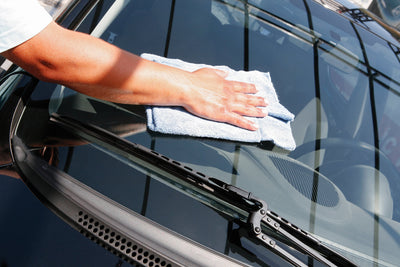
Use a clean microfiber towel and fold it often so you never drag contaminants across the paint. The general microfiber care guidance is a useful reference for keeping towels clean and effective.
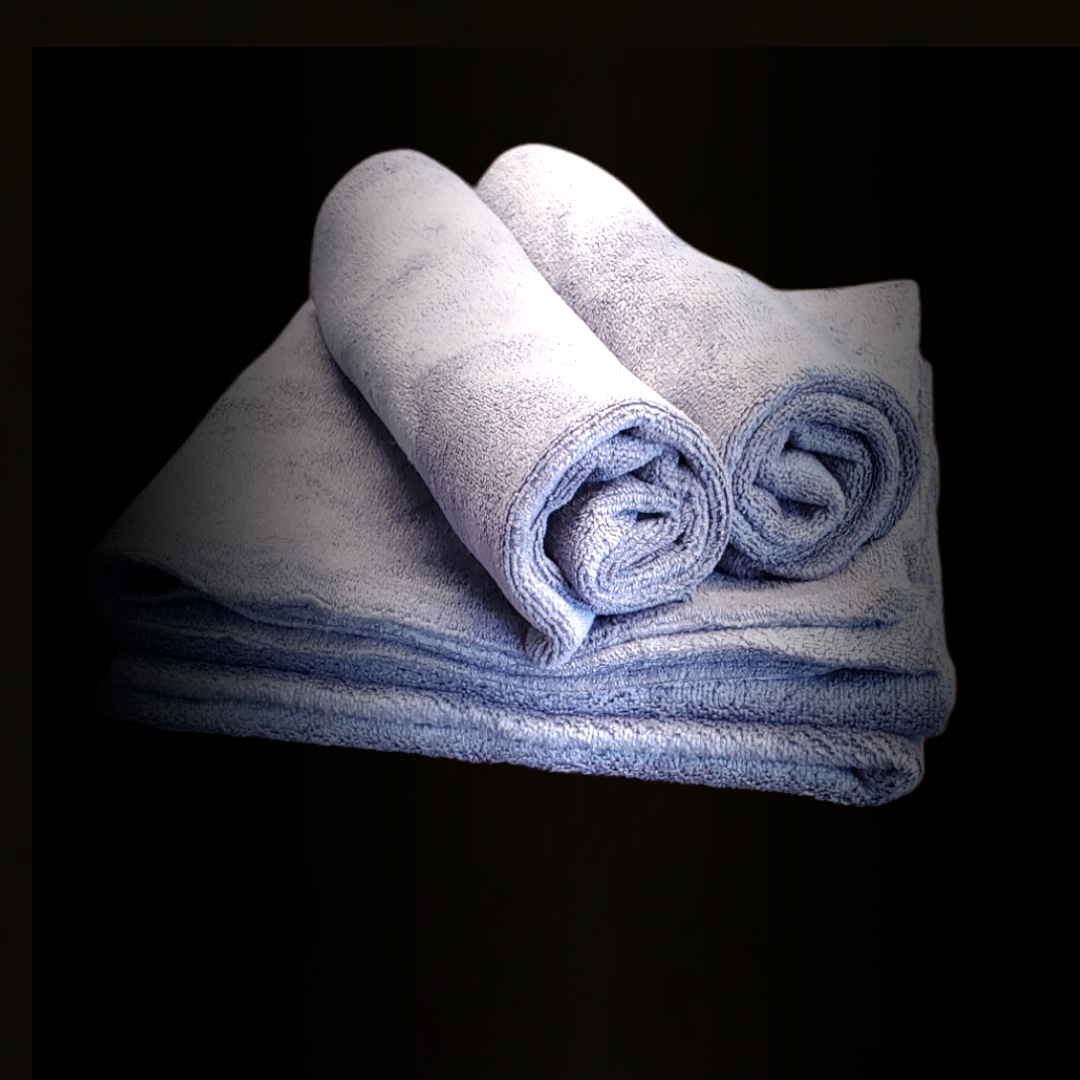
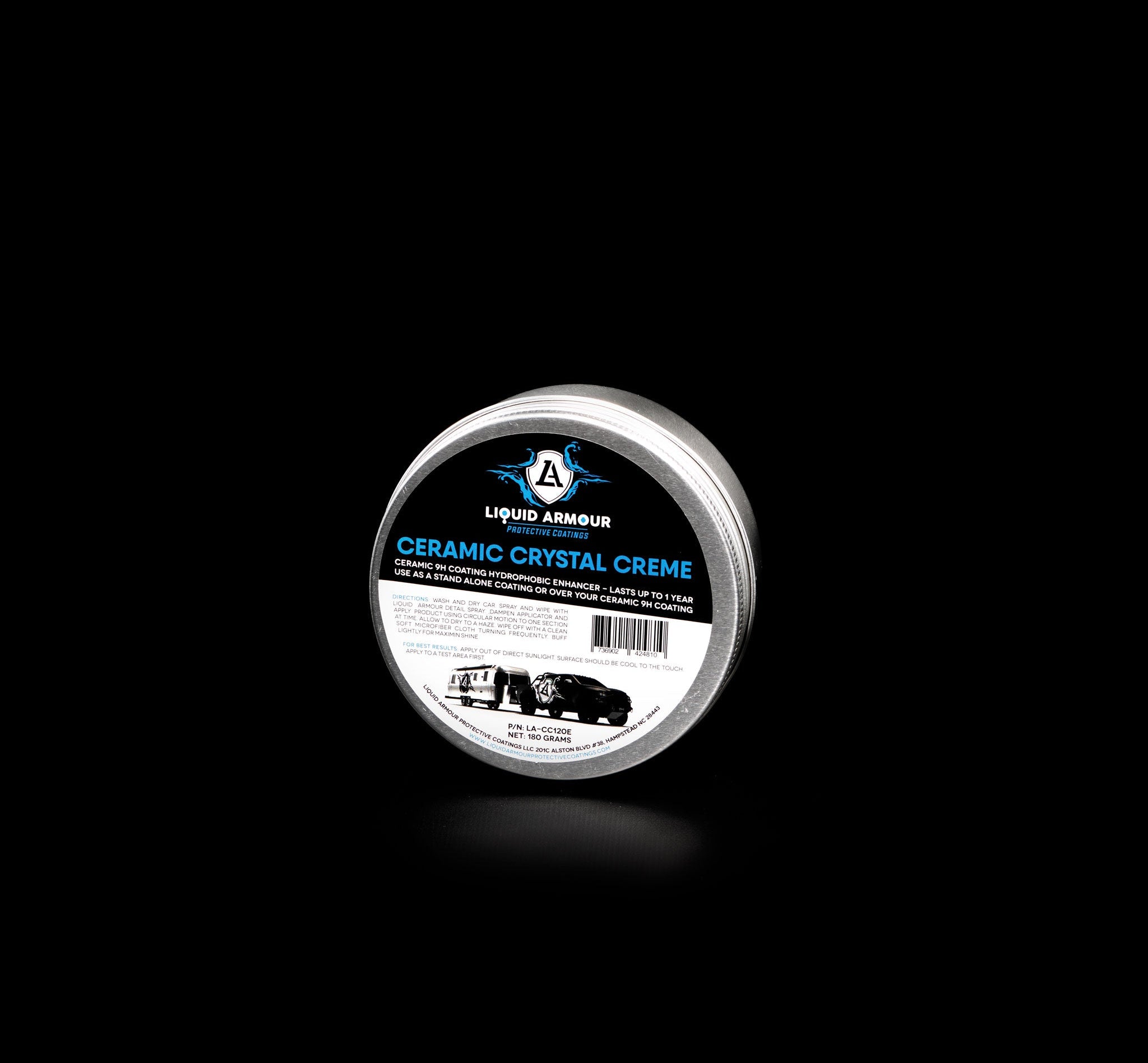
Liquid Armour USA's 16"x16" 20 Pack Ultra Edgeless Microfiber Towels are designed for leveling and buffing after ceramic coating, and the maker recommends washing them before first use to soften the fibers. The Ceramic Crystal Creme can also be used on fresh coating to help lift uncured residue, and the Fallout Iron Remover 1 Gallon style products help clear embedded contaminants that can look like high spots. Always check product compatibility with your specific coating before use.
Polishing Ceramic Coating High Spots That Have Cured
Once a coating has fully cured, wiping rarely removes a high spot, because the film has hardened and no longer redistributes under a towel.
Start with a patch test. Choose a small, inconspicuous area such as a lower door jamb or the inside of a rocker panel. Work a single test spot using your intended polish and pad, then inspect it under an inspection light at a low angle.
Choose your method based on the size and severity of the defect:
- Hand polishing suits a small, localized high spot. Use a folded microfiber or foam applicator, light pressure, and short overlapping passes. It gives you direct feedback through the towel and is the lowest-risk option for isolated patches.
- Machine polishing at low speed suits a larger or more stubborn area. Use a light-cutting polish, a soft pad, and a low speed setting, and keep the pad flat to the panel. Machine work removes material faster, so it demands more restraint.
Work in small sections roughly the size of a hand, and wipe residue off between passes so you can judge progress honestly. After each few passes, re-inspect the area.
Stop conditions matter. Halt immediately if the pad starts to grab or the panel feels hot to the touch, if the surrounding area begins to look dull or hazy, or if you see the defect spreading rather than shrinking. Any of these signs means the correction is no longer helping and you should reassess.
Watch out: polishing a coating that has not fully cured can smear the film across a wider area, so confirm the manufacturer's cure timeline before you begin. Check that your polish is compatible with the specific coating you applied, since some cleaners and polishes can affect its surface chemistry.
The right fix depends on how far the coating has cured, and the article lays out the main approaches side by side.
| Method | Best for | Key difference |
|---|---|---|
| Hand polishing | Small, localized high spots | Light pressure with direct feedback |
| Machine polishing | Larger or stubborn areas | Faster material removal at low speed |
| Spot correction | Few high spots in one area | Preserves the sound coating layer |
| Reapplication | High spots across several areas | Replaces the film across the panel |
When to Reapply Coating Instead of Spot-Correcting
Spot correction and panel-level reapplication solve different problems, and choosing the wrong one wastes time and product. Spot correction fixes isolated defects in a coating that is otherwise sound. Reapplication replaces the film across a panel, which is the right call when the defect is structural to the coating rather than a single error.
Use a simple comparison to decide:
- Spot correction is the better choice when the high spots are few, clustered in one area, and the rest of the panel looks level and even under low-angle light. It is faster, removes less coating, and preserves the layer that is already working.
- Reapplication is the better choice when high spots appear across several areas of a panel, when correction leaves visible dull patches or uneven gloss, or when the defects seem to come from the application itself, such as uneven product distribution or a poorly prepared surface.
A useful test is to correct one small area first and then judge the result honestly. If the corrected patch looks noticeably different from the rest of the panel after a few passes, you are polishing into the coating's layer rather than leveling it, and further spot work will likely make the unevenness worse. At that point, reapplication is usually the more predictable path.
Timing also decides the choice. Reapplication requires that the existing coating is still within the manufacturer's window for a clean recoat, and that the panel is prepared thoroughly first. Check the written guidance for your specific product before you commit, because recoating timelines vary.
Watch out: recoating over a poorly prepared or still-curing surface can trap the same defects you were trying to remove, so do not treat reapplication as a shortcut around prep work. Clean the panel, remove contaminants, and let the surface settle before you apply new product.
Booking Your Next Coating Correction With a Liquid Armour Installer
High spots are often easier to avoid than to fix, and a professional installer can help with prep, application conditions, and correction work. If you want hands-on help, you can find an installer in the Liquid Armour USA network to talk through your panel and your options.
Liquid Armour USA's coatings are built for automotive, marine, industrial, aviation, and residential surfaces.
Frequently Asked Questions
How can I fix high spots after applying a ceramic coating?
If the coating is still fresh, wipe the area with a clean microfiber towel and buff it lightly, which often clears the spot in minutes. For coating that has cured, a light machine polish with a fine polish is usually needed to level the surface. Always test the method on a small, inconspicuous area first, and keep pressure light to avoid thinning the coating around the spot.
How long does it take for ceramic coating to settle?
Most ceramic coatings reach a workable stage within minutes of application, but full curing typically takes longer and depends on temperature and humidity. Check the product's cure guidance before correcting anything. Working on a coating that is still curing can smear it, so waiting until it is fully cured before polishing is the safer choice.
Can polishing remove a ceramic coating high spot?
Yes, a cured high spot can often be leveled with a fine polish and a clean microfiber pad or towel, using low speed and light pressure. Overly aggressive polishing can remove coating from the surrounding area, so work in small sections and inspect under a light from several angles. If the spot persists after a careful polish, reapplication of that panel may be the better option.
Do I need to reapply ceramic coating after removing a high spot?
Not always. If a high spot is corrected cleanly and the surrounding coating is intact, the panel's protection is usually still in place. If correction thins or removes a noticeable area of coating, you may need to reapply to restore even coverage and hydrophobic performance on that section.